COVENTRY ONLINE · UNITED KINGDOM
About the practice
On the name. Chotayah - in Igbo, "find it."
A practice, held by two founders.
Chotayah is a therapy practice offering specialised, depth work for complex issues, with an organisational consultancy arm. Founded in 2021 by Chiddie Anyasodo and Ben Anyasodo.
The FOUNDERS
Held by two founders.
Founder · INTEGRATIVE DEPTH therapy & Consultancy
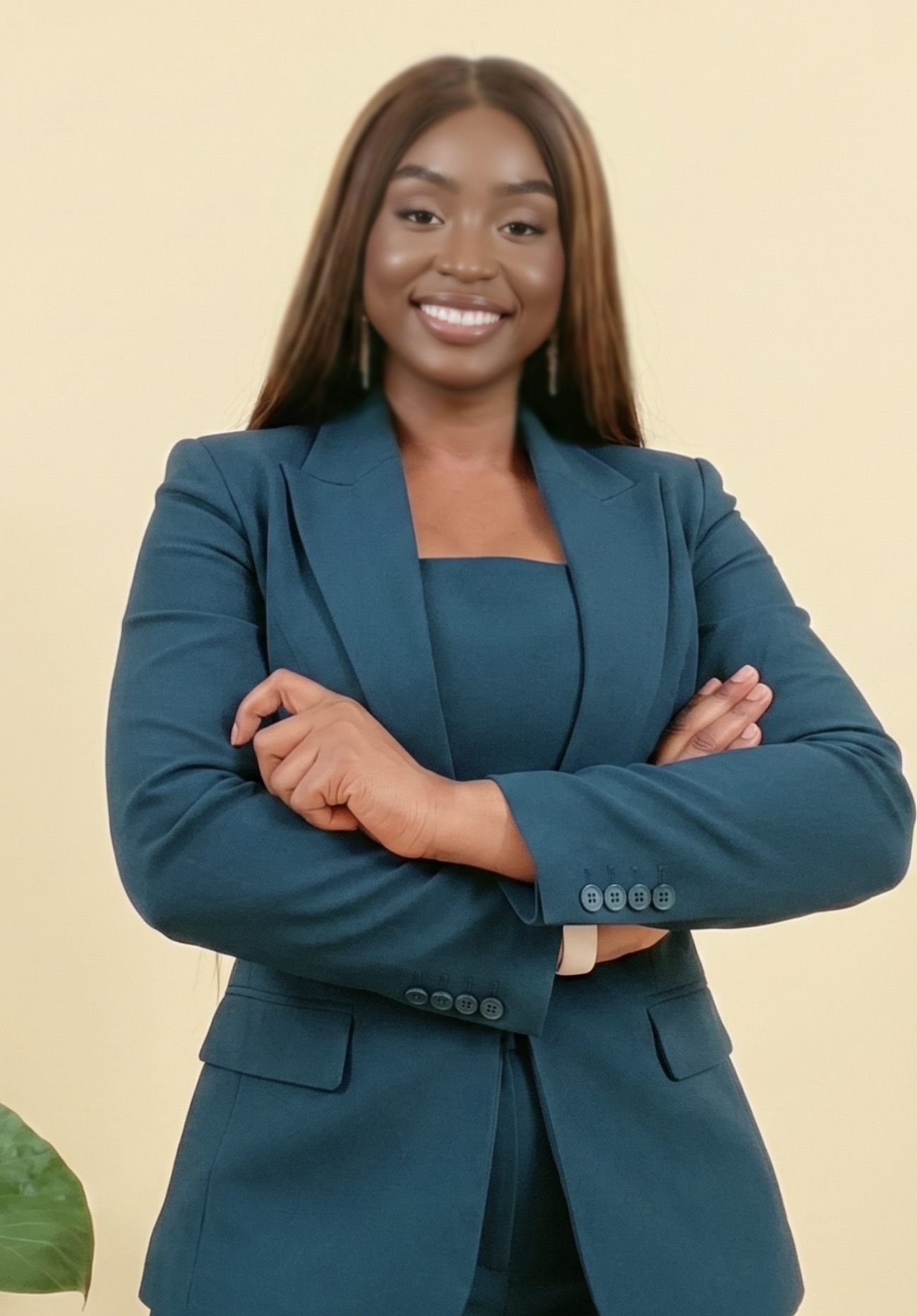
Chiddie Anyasodo
I work as an integrative therapist from a psychoanalytic base, with a particular clinical interest in complex trauma, personality dynamics, and the multigenerational patterns that show up in the lives of people who are quietly exhausted underneath a functioning surface.
Before I retrained, I spent over a decade as a subsurface engineer in oil and gas, at Schlumberger, Baker Hughes, Schneider Electric and Siemens, across four continents. The work taught me to trust the data from below the surface more than the assumptions above it. It also gave me a long exposure to people working inside complex systems under sustained pressure, and to the particular shape that pressure, performance, and professional identity take when the working life is demanding. That formation continues to shape how I listen now. The subsurface detective became a clinician who listens the same way.
I retrained in counselling and am now on a Doctorate in Clinical Psychoanalytic Psychotherapy (advanced clinical training and research).
I am Igbo, firstborn, and only daughter in a family of four. The cultural dimension of my clinical work is structural, not decorative.
QUALIFICATIONS & AFFILIATIONS
Advanced training in the leading evidence-based models for complex relational and personality work.
Formal training, clinical supervision, and ongoing analysis as part of continuing clinical practice.
MSc Integrative Counselling, Birmingham Newman University. Fully Qualified and Registered Member of the BACP.
I.
Mentalisation-Based Treatment
Anna Freud Centre · London
MBT Practitioner training at the Anna Freud Centre - the leading evidence-based model for personality disorder work and the treatment of complex trauma with borderline features.
MBT Supervsion
II.
Transference-Focused Psychotherapy
International Society for TFP · Kernberg faculty
- 2 years of advanced training in personality disorder treatment with Otto Kernberg MD.
- Certificate in TFP. ISTFP-recognised didactic training in Transference-Focused Psychotherapy with Dr Tennyson Lee.
- TFP supervision
III.
Relational Life Therapy
Relational Life Institute USA · two years of formal training with practicum
Two years of formal training at the Relational Life Institute to work with high conflict couples, power dynamics and parenting. A case study of my application of RLT to cultural conflict is featured on the Relational Life Foundation website.
IV.
Gottman Couples Therapy
Gottman Institute USA · Levels 1 & 2
Formal training in the Gottman Method across Levels 1 and 2, informing the couples work alongside the psychoanalytic frame.
V.
Workplace Mediation
Civil Mediation Council · accredited training
CMC Accredited workplace mediator. The mediation training applies primarily to the organisational consultancy arm, where structured dispute resolution is utilized as a distinct, separate intervention from ongoing clinical psychotherapy.
Registered with the British Association for Counselling and Psychotherapy (BACP). Clinical work with the Personality and Complex Trauma service at NHS. In 4 times weekly clinical supervision and three-times-weekly Jungian analysis as part of continuing clinical practice.
Co-founder · Hypnotherapy, Coaching & Behavioural Research
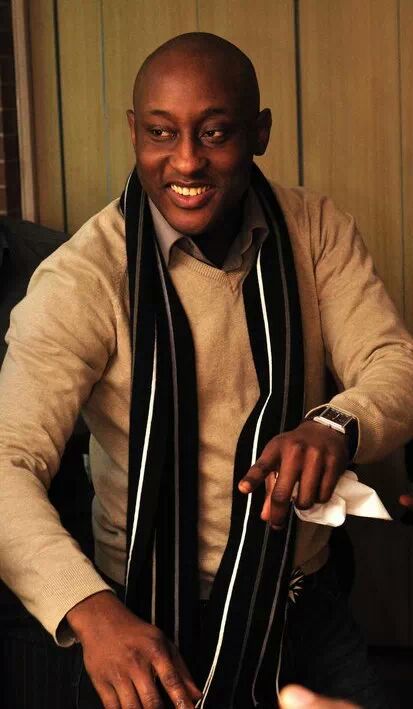
Ben Anyasodo
Co-founder of Chotayah. Ben is a dedicated and versatile hypnopsychotherapist and coach. His disciplines are Hypnosis, NLP, Counselling, Coaching, and Psychotherapies. With a deep fascination for the mind-body connection and a commitment to continuous learning, Ben stays at the forefront of therapeutic techniques. Clients appreciate his ability to tailor his methods to their specific needs, whether they are seeking relief from psychological distress or aiming to enhance their overall wellbeing.
Alongside his clinical work, Ben is a patented scientist, senior behavioural researcher and Human-Machine Interaction specialist, with over a decade of applied research leadership across automotive (Jaguar Land Rover), UK government (HMRC, DWP, UKHSA, MHRA), and private consultancy. That research eye is part of the clinical work, clients are not generic cases. The engagement is designed around who the specific person is and what will actually work for them.
Ben speaks internationally on behavioural research, user experience, and complex systems (World Usability Congress, TED, WeTest Athens).
Hear directly from Ben's clients
"Ben helped me regain my sanity and showed me how to best handle and control my emotions. Ben is the most kind, patient and understanding coach I have met. He helped me boost my self-esteem, manage my emotions, and moved my one-time chaotic home to a peaceful loving home. The best part of my journey with him is definitely the way I could hear and feel every of his words replaying in my heart as I go through my daily routines. I can't tell how he did magic without a wand — the self-consciousness and awareness of my general being and how my body works is enormous."
"I have become a better person talking to Ben, and have learned a lot of things that I never imagined when I asked him to be my coach. How he figured out my communication style and speaks to me in my language is something I found very valuable because it made me hear him. I recommend Ben strongly if you are looking for someone to talk or a coach to guide you or a counsellor that will say it to you the way you will understand."
"Ben is an excellent counsellor and behavioural coach. I say this because he has helped me immensely in my personal life and self-rediscovery journey. Ben will listen and talk to me without any type of judgement and mapped out a personalised, structured process to coach and counsel me towards a predetermined goal. More importantly, he comes to you with friendship, and genuine commitment to see you succeed."
WHERE TO NEXT
Choose the arm relevant to what you are facing.
Each arm of the practice holds its own intake pathway.
FOR INDIVIDUALS, COUPLES & FAMILIES
Private Practice
Integrative Psychoanalytic grounded therapy for people navigating complex trauma, personality dynamics, and the relational patterns that keep repeating. Online across the United Kingdom and internationally, with selective in-person sessions in Coventry.
FOR LEADERSHIP TEAMS & FAMILY ENTERPRISES
Organisations
Depth-psychological consultancy for leadership teams and family enterprises on the interpersonal patterns that drive attrition, derailment, succession difficulty, and operational failure. Engagements scoped by arrangement.
Chotayah — "find it" — integrative depth therapy practice grounded in psychoanalytic thinking with an organisational consultancy arm.
ENGAGE
CONTACT
Coventry, United Kingdom
Online
Privacy
© Chotayah | All rights reserved.
LINKEDIN / FACEBOOK